
Every detail must be a part of the design to create space for recovery, even furniture. Healthcare environments that serve populations with mental and emotional health needs need to support well-being while delivering safety, comfort, and durability without appearing institutional. Behavioral health furniture strategically creates spaces where patients feel secure while enabling caregivers to provide the most effective help. Specialized furniture is an integral part of modern therapeutic settings, as healthcare standards continue to evolve.
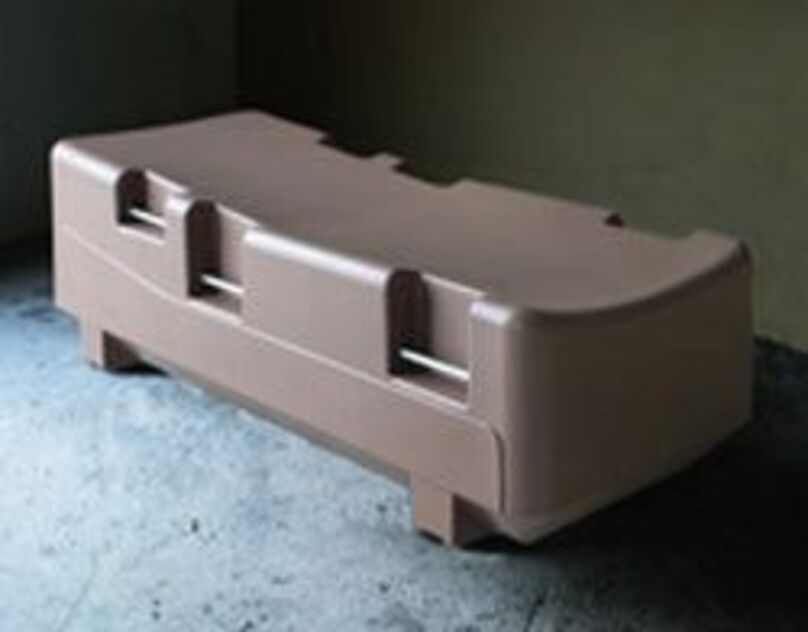
All furnishings that are used in behavioral healthcare settings must be developed with consideration for functionality while reducing risk. Chairs with rounded edges, tamper-resistant construction, and weighted or floor-secured designs reduce the risk of potential self-harm or abuse. Simultaneously, furniture needs to have a warm amount of comfort that makes stress go down and makes processing your ergonomic needs productive. Today, significant developments in behavioral health furniture have allowed manufacturers to focus on both durable and safe safety features while also producing modern designs that promote recovery instead of triggering discomfort.
Material selection is also key for long-term performance. This includes some high-impact polymers, reinforced wood composites, and moisture-resistant surfaces, which are widely used in order to have constant use against the ease of cleaning or disinfecting. Seamless construction and non-porous finishes are very much needed due to infection prevention being a prime directive of almost every healthcare facility. These robust materials not only prolong the expected life of a product, but they also reduce maintenance costs and help to comply with stringent hygiene standards.
When designing spaces within the therapeutic environment, patient comfort is just as important when selecting furniture. Chairs, beds, tables, and storage units should be ergonomic while also being compliant with safety requirements. Comfortable surroundings lower anxiety, improve positive engagement, and create a more relaxing ambiance. Flexible layouts can help healthcare providers to arrange spaces for a variety of purposes, such as individual therapy, group sessions, or recreational activities, all in a safe environment for both the staff and the patients.
In a behavioral healthcare facility, careful planning allows furniture to support the overall goals and aspirations. In this phase, designers also work with clinicians, architects, and facility managers in coordinating which products best facilitate patient requirements, workflows of their clinical staff, and the regulatory aspects of their environments. Incorporating behavioral health furniture into these planning processes optimizes operational outcomes while allowing the design of environments that promote dignity, respect, and therapeutic care. Each piece should add to a background that fosters recovery: there must not be an extra risk to safety.
With the ongoing modernization of healthcare facilities, purpose-built furniture for healthcare has become an increasingly vital investment to improve patient outcomes. The durable, safe, functional, and aesthetically pleasing elements of high-quality behavioral health furniture incorporate features that benefit both patients and caregivers. Sourcing well-designed and engineered products creates therapeutic environments that build trust, limit environmental dangers, and deliver continuous value with reliable performance while improving care experiences over time.
James Foster is the author of this article. For more details about batons in Canada, please visit our website: pspcorp.ca.