
The furniture designed for behavioural health is therefore a critical component in creating these safe, comfortable, and therapeutic spaces. In contrast to conventional furniture, these designs are specifically engineered to bolster mental health treatment while reducing risks when used in the clinical, residential, or community settings. The right furniture reduces stress, prevents injury, and improves the well-being of patients and staff.
Safety is a focal point of attention in behavioural health furniture in Canada. Pieces are made from durable, tamper-resistant materials that will stand up under heavy use while minimizing the possibilities for self-harm or accidental injury. As with patio furnishing, most products of (wooden) garden furniture have rounded edges and reinforced joints with secure anchoring to ensure functional and safe usage. In behavioural health facilities, this is essential to avoid preventable incidents, as many designs also feature anti-ligature mechanisms if there is a likelihood that patients could be at risk.
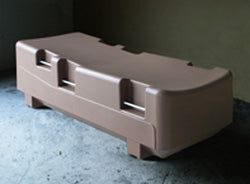
Also vital are comfort and therapeutic support. Behavioural health furniture is purposefully designed to support persons in ergonomic ways while reducing safety risks. For example, seating often includes built-in cushions and supportive contours to accommodate good posture and reduce fatigue through engagement in group therapy sessions, individual sessions, or participatory activities. For instance, multi-purpose furniture like adjustable-height tables or modular seating arrangements enables easy reconfiguration of spaces to accommodate various treatment modalities.
One more important trend with behavioural health furniture is its alignment with the principles of environmental psychology. Colors, textures, and spatial arrangements are carefully selected to create uneventful and non-threatening atmospheres. Soft hues, smooth surfaces, and natural materials can create an environment that reduces stressors, calms anxiety, and encourages positive interactions between caregivers and patients. Such design decisions not only promote emotional well-being but also contribute to the effectiveness of therapeutic programming within the facility.
Maintenance and durability are also important considerations. Today’s furniture used in behavioural health settings may find its needs are even more stringent due to the damage musculoskeletal disorders can cause long-term. Durable materials and quality finishes ensure longevity while presenting a clean, welcoming experience. For instance, choosing furniture with replaceable components will also help minimize long-term expenses and downtime and thus keep the space functional and safe at all times.
Investing in behavioural health furniture is investing for the purpose of ensuring patients’ care and safety. The impact of such well-designed furniture is two-fold: not only does it mitigate various risks and help improve comfort, but it also aligns with therapeutic objectives, making the element shrike indispensable in contemporary mental health care. By choosing furniture that safely, durably, and supportively meets the needs of students, administrators can design environments in which healing, participation, and wellness actually happen.
James Foster is the author of this article. For more details about Best ballistic vest in Canada, please visit our website: pspcorp.ca.