
Modern designs of field footwear focus on providing protection, durability, and flexibility for workers dealing with uncertain conditions. Engineers balance structural reinforcement and mobility so users can arrange themselves as efficiently as safety allows. When we talk about tactical gear, tactical boots are on top of the list among all-based apparel that guarantees comfort and durability for security and other related professional workers, as well as outdoor configurations. They are built from tough materials, with additional seam reinforcement and impact-resistant soles to prevent breakdown under continuous pressure. Such key features create a reliable pick for not-so-even grounds powered by urban parts as well as rough surfaces of nature.
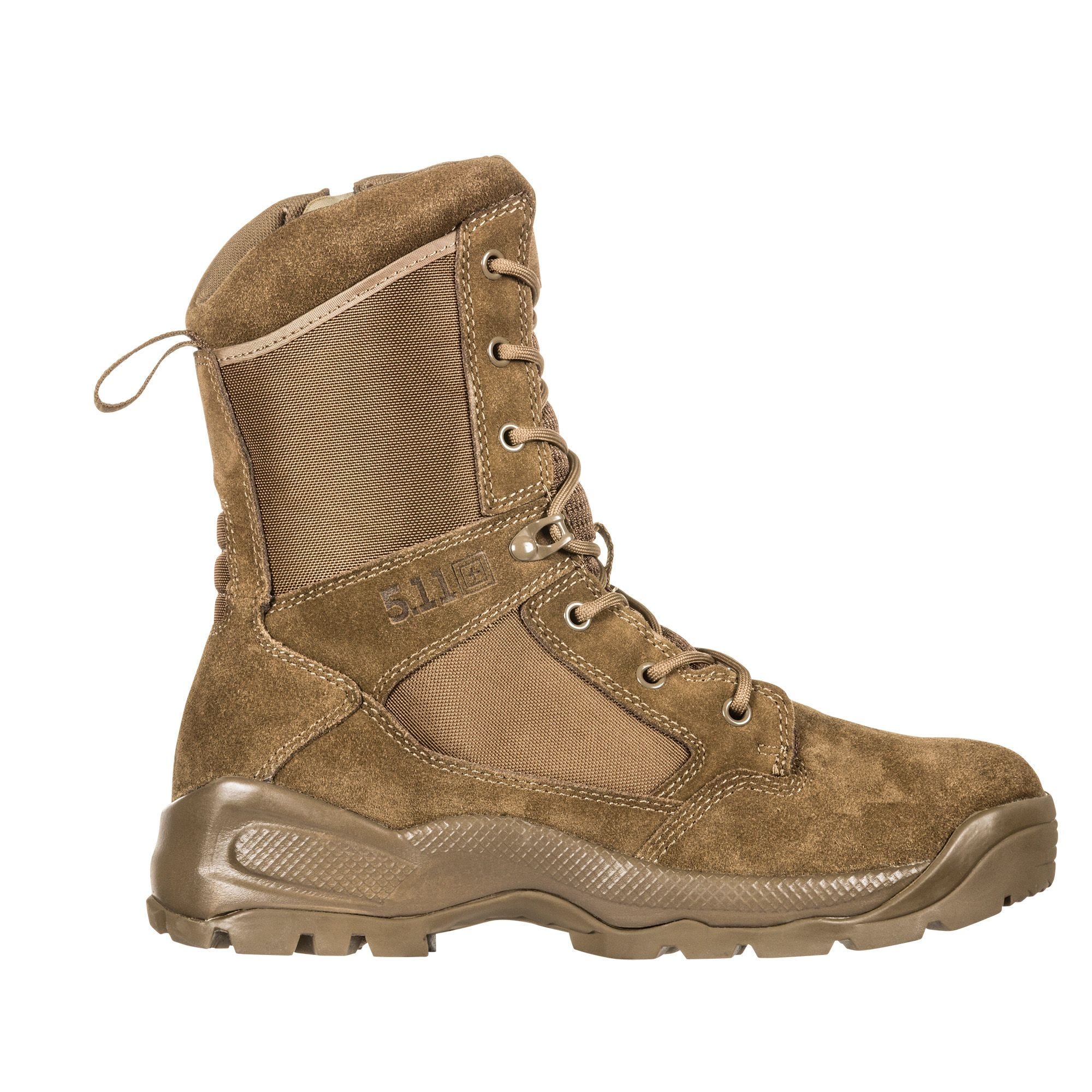
One of the breakthroughs in current shoe crafting is lightweight composite materials that allow for less fatigue in a shoe while maintaining strength. Cushioning systems are specifically built to reduce wear and tear from impact over longer missions or time in the field. Internal linings that breathe, indeed, these internal linings would also help regulate the inner temperature, eliminating discomfort in the course of a training swarm. Most of these innovations are part of Tactical Boots that often take care of users who need agility along with protection. New, improved grip designs on the outsoles allow them to obtain traction over wet and unstable ground, helping reduce slips and injuries. These innovations come from running performance and material science for the habitat in real-time.
Durability continues to be a defining feature in professional-grade footwear, especially for those operating in extreme environments. Coatings that resist moisture and exteriors resistant to abrasion help lengthen the lifespan of products while sustaining integrity. Tactical boots regularly undergo stress testing simulating harsh temperature variations, rugged terrain, and intense usage cycles. This makes it reliable even in the field where, if unsuccessful, failure can implicate more than a lost wager. Also, reinforced ankle support structures lessen impact and help avoid injuries in swift motions or load-bearing activities. These elements are complementary to each other and lead to long-lasting operational efficiency.
Ergonomics is a decisive factor for high performance in challenging operations. Anatomical shaping and proper weight distribution promote comfort around the arms and reduce pressure points during extended wear. The entire range of tactical boots is developed using user-centered principles that mimic the natural motion to minimize fatigue and maximize endurance. They develop lacing systems and sole flexibility, as well as improve internal cushioning for the end users. This means that professionals can stay focused on the tasks that they need to perform and not be discomforted or limited by the equipment. The combination helps maintain a consistent performance in the field of operations.
With the evolution of the near future, the shoe system should incorporate a smarter technology, such as adaptive cushioning and sensor-based feedback. These innovations are designed to improve safety, responsiveness, and efficiency in high-stakes settings. In general, tactical boots are an intersection of precision engineering buttressed by properties that yield comfort and durability for rigorous professional use in today's diverse operational scenarios.
James Foster is the author of this article. For more details about AKT gear duty equipment in Canada, please visit our website: pspcorp.ca.